



 Bollywood
Batwara 1947 director Rajkumar Santoshi to host special screening for spiritual leaders across faiths
BY SACNILK
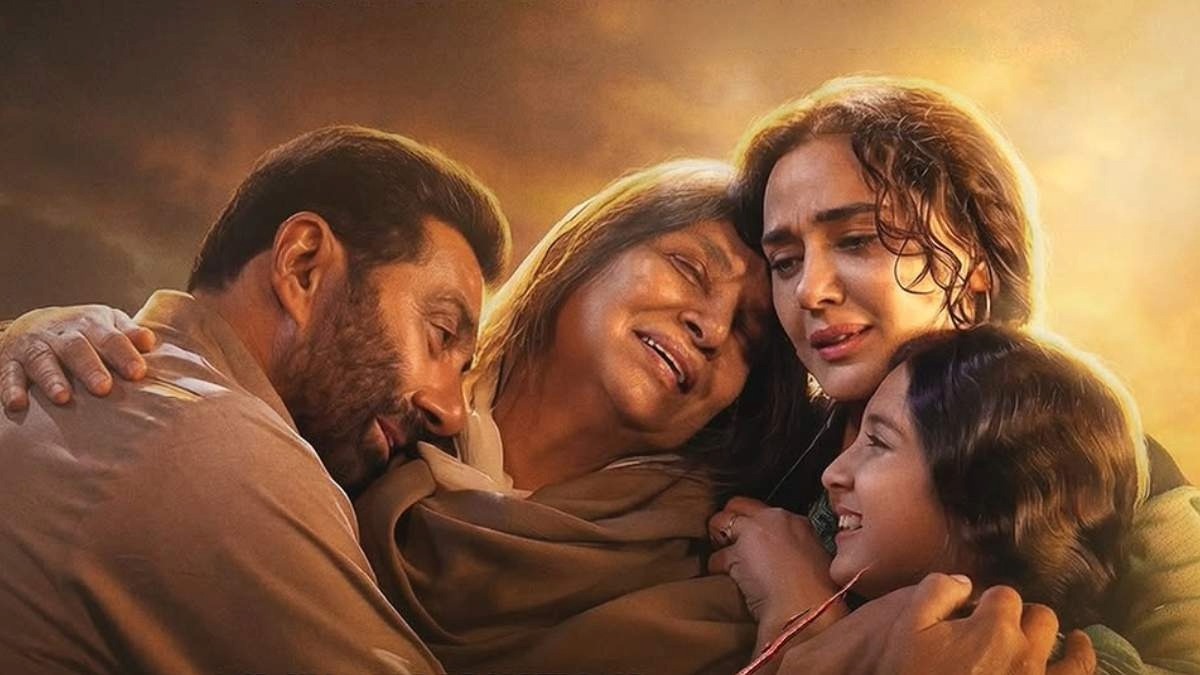
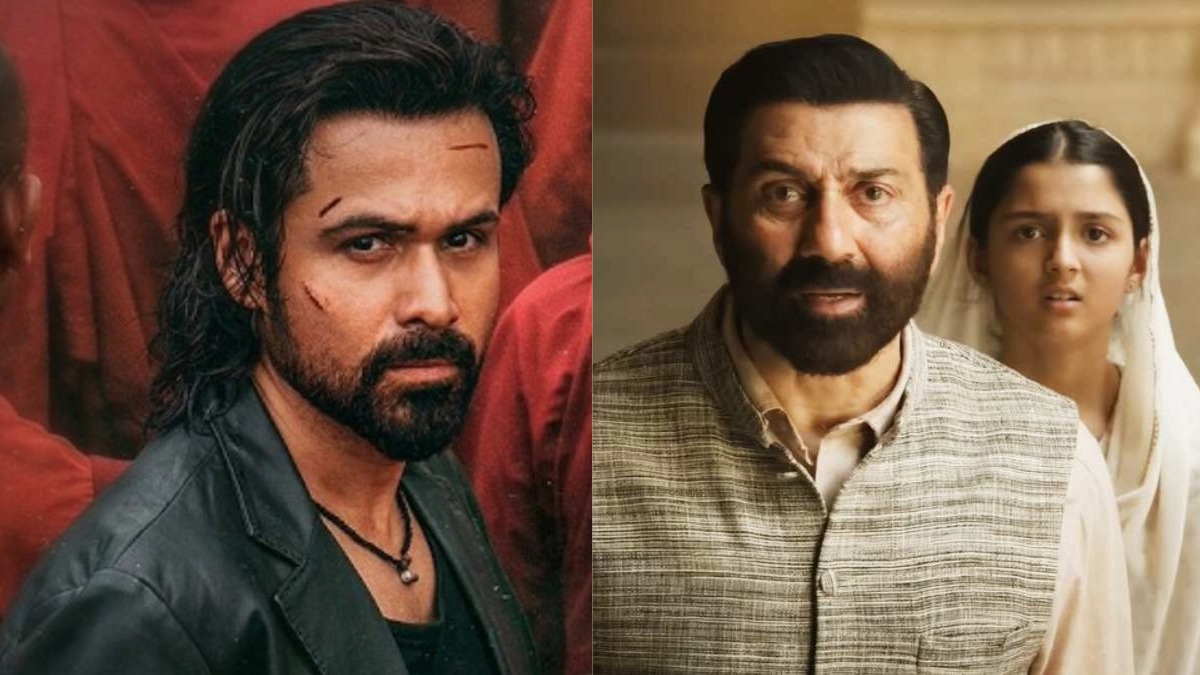
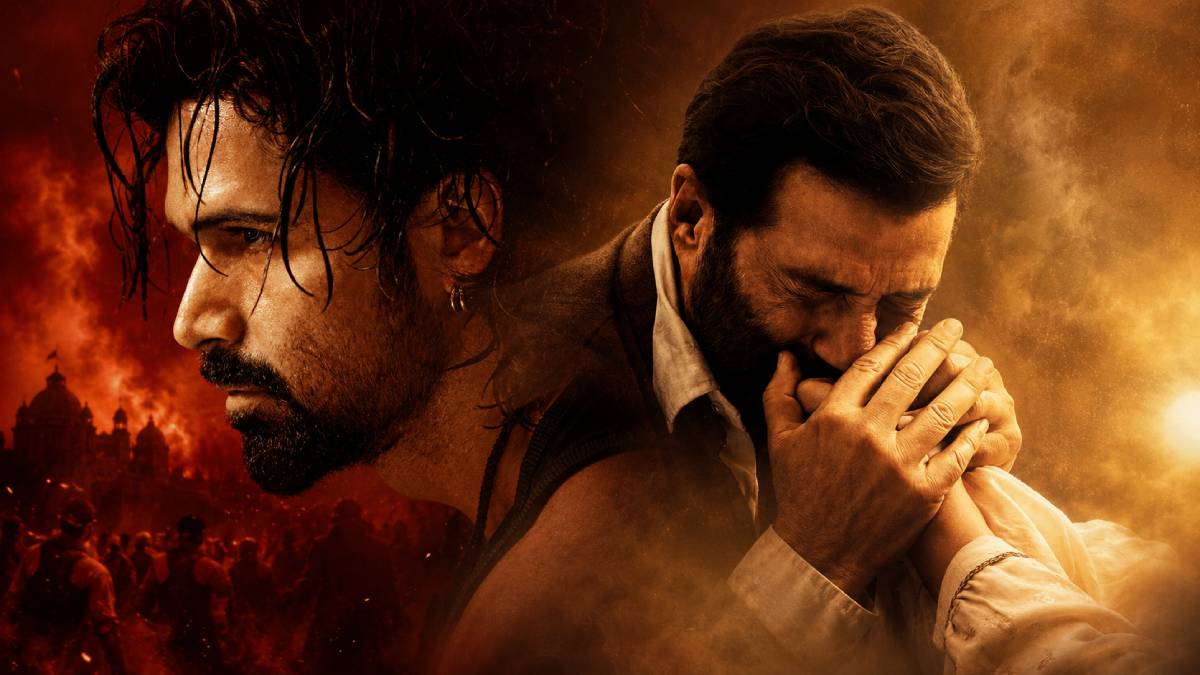
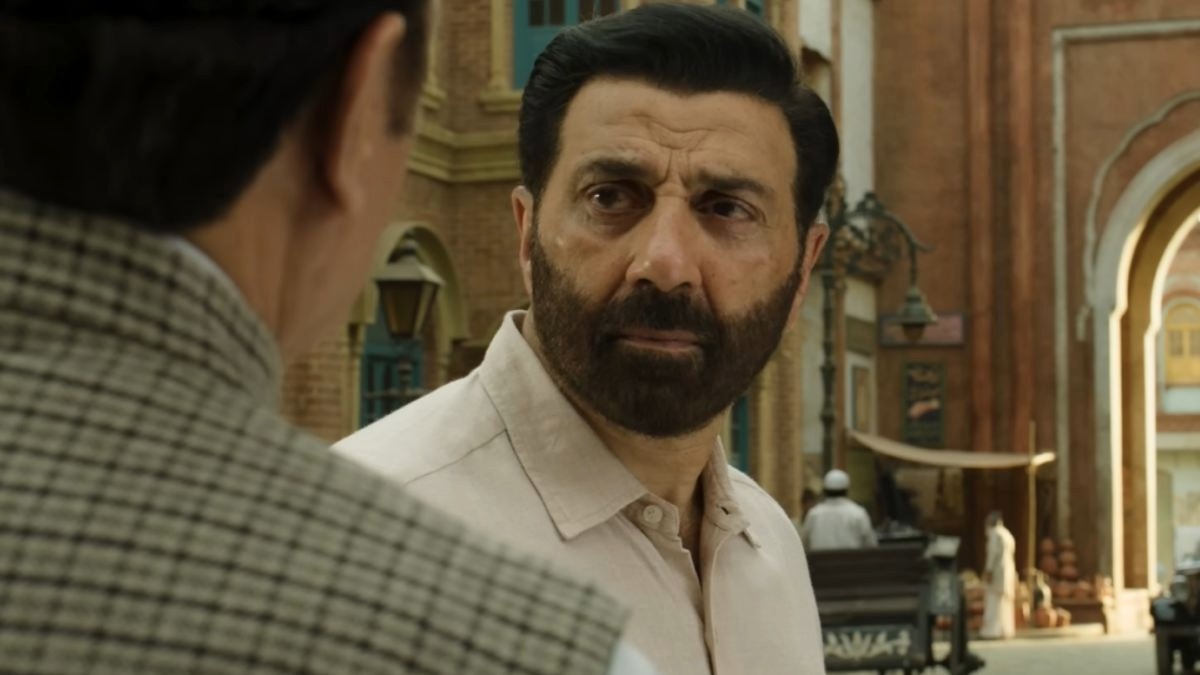
Rajkumar Santoshi's latest directorial project, Batwara 1947, has been in theaters since its release on August 14, 2026. The film focuses on the Partition of India but centers its narrative on themes of humanity and communal harmony rather than just the conflict itself. According to an exclusive report by Bollywood Hungama, Santoshi is now organizing a special screening of the film in Mumbai. This event is specifically designed for spiritual and faith leaders from various communities to discuss the message of love and unity depicted in the movie. The gathering is expected to include a wide range of representatives from different faiths. Among the prominent names attending are Maharishi Bhrigu Pithadhishwar Mahamandleshwar Shri Guruji Goswami Sushil Giri Ji Maharaj and Yoga Manishi Acharya Shri Vivek Muni Ji Maharaj. Other religious figures include Father Norbert Herman SVD, representing the Catholic Archbishop of Delhi, and Paramjeet Singh Chandhok Ji. The screening will also see the presence of Islamic scholars like Allama Bunai Hasani, Maulana Naushad Ahmad Siddiqui, and Mufti Ziyayee Hazrat, alongside Buddhist monk Ven. Bhante Purn. Bringing such a diverse group together suggests that the filmmakers want to position Batwara 1947 as a bridge for interfaith dialogue. (adsbygoogle = window.adsbygoogle || []).push({}) One of the significant talking points surrounding the film is the professional reunion of Rajkumar Santoshi and Sunny Deol. This collaboration comes nearly thirty years after their last project, which has naturally created interest among long-time fans of their previous work. The movie features a notable ensemble cast including Shabana Azmi, Preity G Zinta, Karan Deol, Ali Fazal, and Abhimanyu Singh. By involving spiritual leaders, the production is attempting to validate the film’s portrayal of a sensitive historical period through the lens of those who lead diverse religious communities. On the technical side, the film carries a high level of pedigree. It is produced by Aamir Khan Productions, with music composed by A. R. Rahman and lyrics written by Javed Akhtar. This combination of talent highlights the scale on which the film has been mounted. The decision to hold this multi-faith screening indicates a move to ensure the film's message of harmony is received correctly across different social segments. For a historical drama based on the Partition, this approach serves as a logical step to address the complexities of the subject matter while fostering a sense of collective resilience.